When clients ask, “Are hair extensions safe?” the real answer depends on the system being used and how it is installed.
Not all hair extension methods are created equally. A safe hair extension system is designed to protect scalp health, minimize tension, and support the integrity of natural hair over time.
Understanding what makes hair extensions safe can help you avoid breakage, thinning, and long-term damage.
1. Proper Tension Control
Excessive tension is one of the leading causes of hair extension damage.
When extensions are installed too tightly, they create stress at the follicle. Over time, this can lead to breakage or traction-related thinning.
The safest hair extension methods distribute tension evenly and avoid concentrating weight at one small point.
Key safety factor:
• No pulling at the root
• Controlled bead or attachment pressure
• Even placement across the head
2. Balanced Weight Distribution
Heavy extensions placed on fine or fragile hair can overload the strand.
Safe hair extensions use appropriate weight based on:
• Hair density
• Strand thickness
• Scalp sensitivity
• Overall hair health
A safe system adjusts to the client — not the other way around.
3. Scalp Breathability & Moisture Control
One of the most overlooked causes of extension-related damage is moisture buildup at the scalp.
If airflow is restricted, the scalp environment can become irritated. Safe extension systems allow:
• Proper cleansing
• Air circulation
• Minimal buildup at the root
A breathable installation supports healthy hair growth.
4. Professional Installation & Removal
Even the safest extension method can cause damage if installed incorrectly.
Improper sectioning, incorrect bead size, poor spacing, or aggressive removal techniques are common causes of breakage.
Safe extensions require:
• Trained professionals
• Correct tools
• Structured placement
• Scheduled maintenance
5. Ongoing Maintenance & Adjustments
Hair grows approximately ½ inch per month. As natural hair grows, extensions must be repositioned.
Leaving extensions in too long without maintenance increases:
• Tension
• Tangling
• Stress on the strand
Routine professional adjustments are essential for keeping hair extensions safe.
So, Are Hair Extensions Safe?
Hair extensions can be safe when:
• The correct method is selected
• The weight is appropriate for the hair type
• Installation is performed by a trained professional
• Maintenance guidelines are followed
Damage is typically caused by poor technique, excessive weight, or neglect — not by well-designed systems.
The Silk Linking™ Approach to Safe Extensions
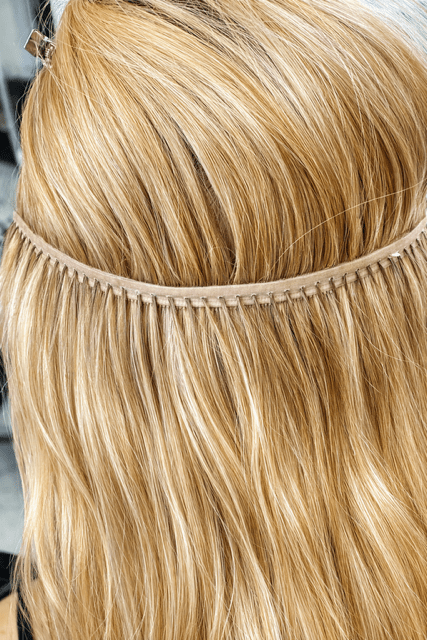
Silk Linking™ was developed with safety principles in mind:
• Lightweight structure
• Controlled tension
• Even distribution
• Breathable installation
By prioritizing scalp health and structural balance, the method is designed to reduce common stress points seen in traditional extension systems.
Final Thoughts
The safest hair extension method is not determined by trend — it is determined by engineering, technique, and professional education.
If you are considering extensions, schedule a consultation with a certified professional to assess your hair density, scalp condition, and overall suitability.
